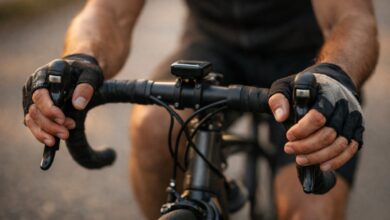
So You Want to Bike to Work? Here’s What Actually Happens


Look, I’m not going to sugarcoat this. Trading your car for a bike sounds amazing in theory, scrolling through Instagram at midnight thinking “yeah, I’m totally going to be that person who bikes to work.” Then morning hits and you’re standing in your driveway wondering what you’ve actually signed up for.
The thing is, biking to work is genuinely awesome. It just doesn’t work the way most people imagine it will. The reality involves way more sweat, a lot more planning, and surprisingly fewer moments of cruising serenely past traffic jams while feeling smugly superior. (Though those moments do exist, and they’re glorious.)
Here’s what actually happens when you start commuting by bike, and how to handle it without giving up after week one.
Traffic Is Going to Test Your Patience
Your relationship with drivers depends massively on where you live. Portland? Pretty bike-friendly. Most other American cities? Let’s just say drivers aren’t always thrilled to share the road, even when they’re legally supposed to.
The absolute best thing you can do is follow the actual rules of the road. I know, I know, it sounds boring and obvious. But seriously, your bike is legally a vehicle. That means riding like you’re driving a car, not like you’re a pedestrian who happens to be sitting on something with wheels. Stay in your lane, keep up with traffic flow when you can, and follow every traffic law like your life depends on it (because honestly, it kind of does).
Yeah, some drivers will still be jerks. That’s unfortunately part of the deal. But when you ride predictably and follow the rules, you reduce the chances of someone getting genuinely angry at you. And that matters more than being technically right while lying in a hospital bed.
Making Yourself Visible Isn’t Optional
Most drivers do try to watch for cyclists, but “try” isn’t good enough when you’re the squishy one in this equation. Don’t just throw on a helmet and assume you’re automatically visible.
All that reflective gear marketed to cyclists? Not a scam. You actually need it. Get proper lights for your bike, front and rear. Add reflectors everywhere they’ll fit. And your clothes matter too. This might mean sewing reflective tape onto your favorite jacket or buying specific cycling gear with built-in visibility features.
Will you feel a bit ridiculous wearing a jacket that glows like a rave at 7am? Absolutely. Is it worth it? Also absolutely. The goal isn’t to look cool. The goal is to not get hit by someone who genuinely didn’t see you because you blended perfectly into the gray morning backdrop.

Your Body Will Have Opinions About This
Riding a bike is fantastic exercise. It can legitimately replace some of your gym time. But it’s also repetitive motion that your body might not be used to, especially in the beginning. New aches will appear in muscles you forgot existed. Your posture on the bike matters way more than you think. And chafing becomes this constant low-level concern that nobody warns you about.
Treat every ride like the workout it actually is. Warm up first. Stretch after. Make sure your bike is properly fitted to your body (this isn’t optional, seriously). And invest in good cycling shorts or compression gear to wear under your regular clothes. They wick moisture and prevent the kind of chafing that makes you reconsider all your life choices.
Your body will adapt, but give it time. That first week is rough. Week two is still pretty rough. By week three, things start clicking. Just don’t give up during those initial “why did I think this was a good idea” moments at 6:30am.
Weather Will Become Your Nemesis (Sometimes)
Bad weather is genuinely the hardest part of bike commuting. Rain, snow, extreme heat, extreme cold—all of it makes your commute significantly more challenging. This is where a lot of people bail out, and honestly, I get it.
The solution is layering and planning. Wear weather-appropriate gear while riding, then pack your nice work clothes in a waterproof bag so you can change when you arrive. This means you stay warm (or cool) and dry during the commute, and you don’t show up to your 9am meeting looking like you just crawled out of a lake.
Budget extra time for changing clothes. Also budget extra time for the actual ride, because cycling in bad weather just takes longer. And on truly awful days? Give yourself permission to take the bus or catch a ride. Being a bike commuter doesn’t mean never using other transportation. It just means biking is your default.
Storage Gets Weirdly Complicated
You’re probably bringing more than just your body to work. Laptop, phone, wallet, lunch, change of clothes, possibly a million other things. A cute front basket might work for some of this, but probably not all of it. And definitely not if you care about your laptop surviving the journey.
Rear baskets or panniers (those saddle bags that attach to racks) are honestly game-changers. They distribute weight better, don’t mess with your steering, and can handle way more gear. Yeah, they make your bike look less sleek and minimal. But they make your commute actually functional, which matters more.
Experiment with different storage solutions until you find what works for your specific needs. Some people swear by backpacks. Others can’t stand having weight on their backs. There’s no universal right answer, just what works for you and your stuff.
The Learning Curve Is Real, and That’s Okay
Here’s the thing nobody tells you upfront. Your first bike commute will not be perfect. Neither will your second, or your tenth, or honestly even your fiftieth. You’ll forget something crucial. You’ll get caught in unexpected rain. You’ll arrive sweaty and flustered. You’ll wonder if this whole thing was a terrible idea.
And then one random Tuesday morning, you’ll cruise past a massive traffic jam, arrive at work feeling energized instead of drained, and think “okay, yeah, this is why I do this.” Those moments make the learning curve worth it.
Be patient with yourself. Research gear before buying it. Talk to experienced cyclists. Hit up your local bike shop with questions. Check out online communities. And when you’re genuinely stuck or confused, there are people who want to help. Learning to bike commute is a process, not a instant transformation.
The reality of biking to work is messier, harder, and more complicated than the Instagram version suggests. It’s also more rewarding, more fun, and more sustainable than you might expect. Just give yourself permission to figure it out as you go.
Keep Exploring the Bike Commuting Life
If you liked this reality check, you might also enjoy: 10 Bike Commuting Myths That Stop People From Trying